Which legal documents need a certified translation
The receiver decides, and the US has three common receivers with written rules. Each asks for the translation plus a signed statement from the translator.
- USCIS filings
- A full English translation, certified as complete and accurate, with the translator's certification of competence[1]
- Immigration court
- An English translation with a certification signed by the translator, stating competence and that it is true and accurate to the best of their abilities[2]
- California civil courts
- Exhibits in a foreign language must carry an English translation certified under oath by a qualified interpreter[3]
- Other state courts
- Each court sets its own local rule, so read the rule of the court where you file
Court judgments, divorce decrees, powers of attorney and police certificates usually travel to one of these receivers, so they are the documents that get certified most often. An affidavit of translation or a notarized translation adds a sworn signature or a notary's seal when a receiver asks for one.
Contract translation for reading and negotiating
When you translate a contract to understand it, negotiate it or check what you signed, no authority receives the translation, so no certificate is involved. What matters is that every clause is there, in its place, with its number.
Bilingual contracts often state which language version governs. If yours does, the translation is a working copy and the governing text stays the reference. If a translated contract later goes to a court, it then follows that court's rule for exhibits[3].
Court translation and court interpreting
Court translation covers written documents, such as exhibits and records. Interpreting covers speech in the courtroom. California's rule ties the two together by asking for exhibits certified under oath by a qualified interpreter[3]. For immigration court, the translator's own signed certification is what the rule names[2].
Do you need a certified legal translator?
Not as a rule. The US has no federal or state licence for translators, and ATA certification is needed only when the receiver asks for an ATA-certified translator[4]. A certified legal translation is a translation with a signed statement, and the people who sign it are usually professional translators, though USCIS and immigration court rules name only a competent translator[1][2]. The certified translator guide explains the credential.
How to translate a legal document with LoreAI
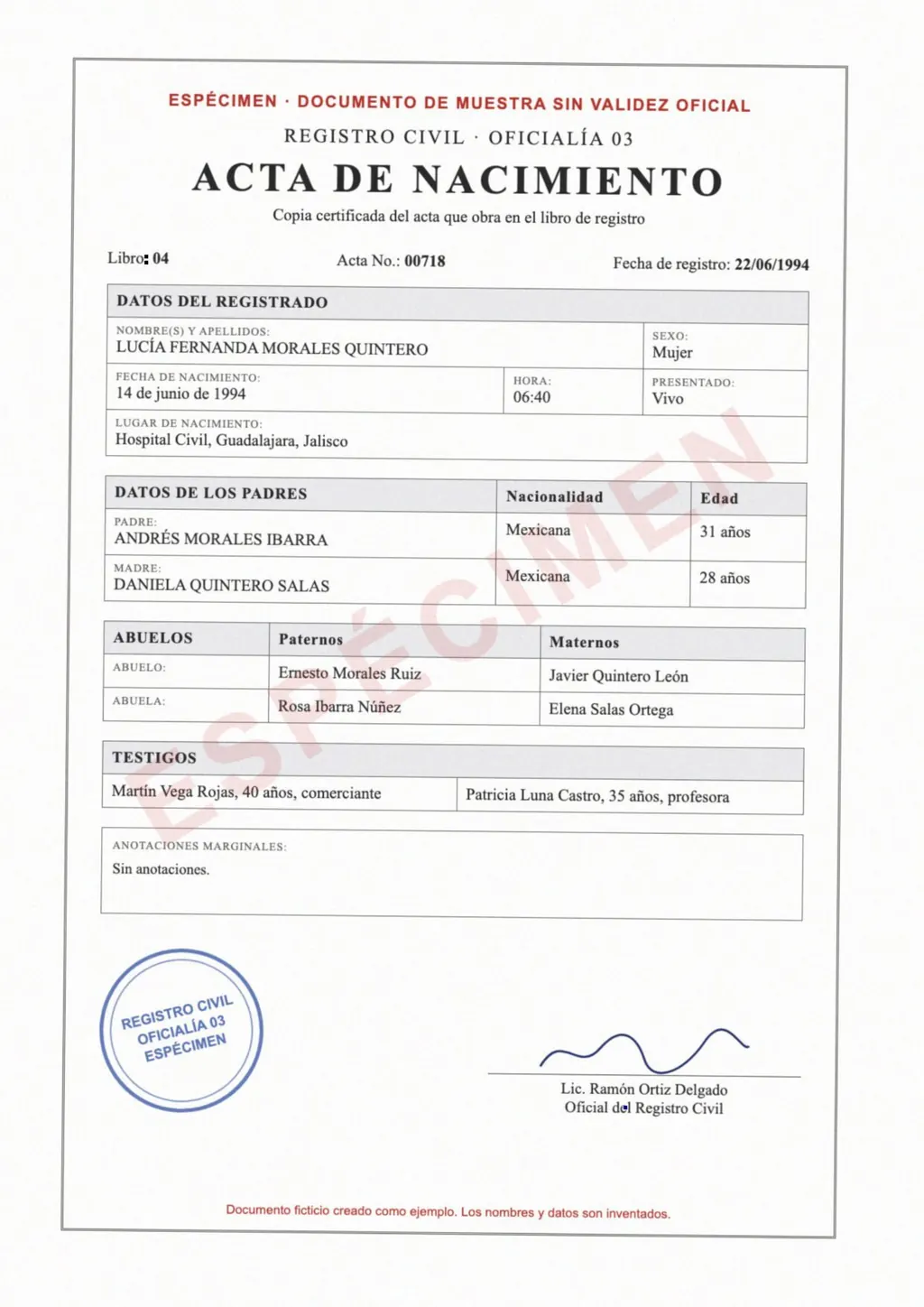
- Scan or photograph the document. A scanned PDF, a typed PDF and a phone photo all work, including stamps, seals and handwritten notes.
- Upload it and choose the target language. LoreAI detects the source language and translates into any of 105 languages.
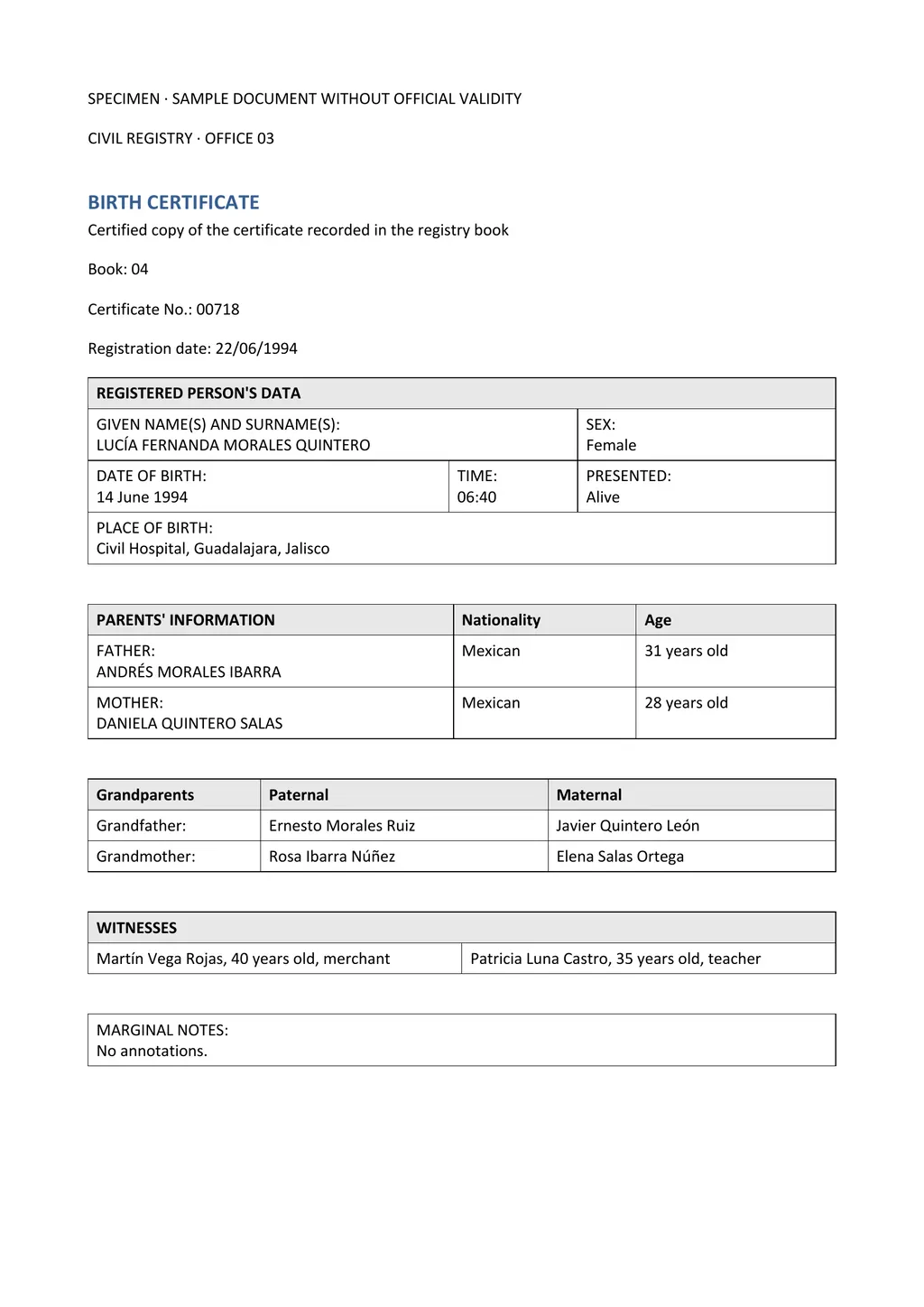
- Download the Word file. Headings, numbered clauses, lists and tables come back in the original order, with names, dates, amounts and case numbers as written.
- Certify it if a receiver asks. The translator reviews the file and signs a statement. The certificate of translation template has the wording.
Where LoreAI fits
LoreAI is not a certified translation service and does not sign or swear to anything. It does the slow part, reading the scan and rebuilding the document in Word, so a lawyer, a client or a translator works from an editable text. Your first document is free, up to 3 pages, and Basic is $12.99 a month for 200 pages. See official translation for documents headed abroad.
Questions people ask
Does a contract translation need to be certified?
Only if it is filed with an authority that asks for one. A court exhibit in California, for example, needs a translation certified under oath by a qualified interpreter[3].
Who can do a certified legal translation for USCIS?
A translator who certifies the translation as complete and accurate and states their competence in both languages[1]. No credential is named.
Does LoreAI keep clause numbers?
Yes. Numbered clauses, headings, lists and tables come back in the original order in the Word file.
Sources
- 8 CFR 103.2(b)(3), Translations, Electronic Code of Federal Regulations, accessed November 5, 2026
- 8 CFR 1003.33, Translation of documents, Electronic Code of Federal Regulations, accessed November 5, 2026
- California Rules of Court, rule 3.1110(g), Translation of exhibits, accessed November 5, 2026
- American Translators Association: Certified translation vs. certified translator, accessed November 5, 2026
By Matt Mountain ·