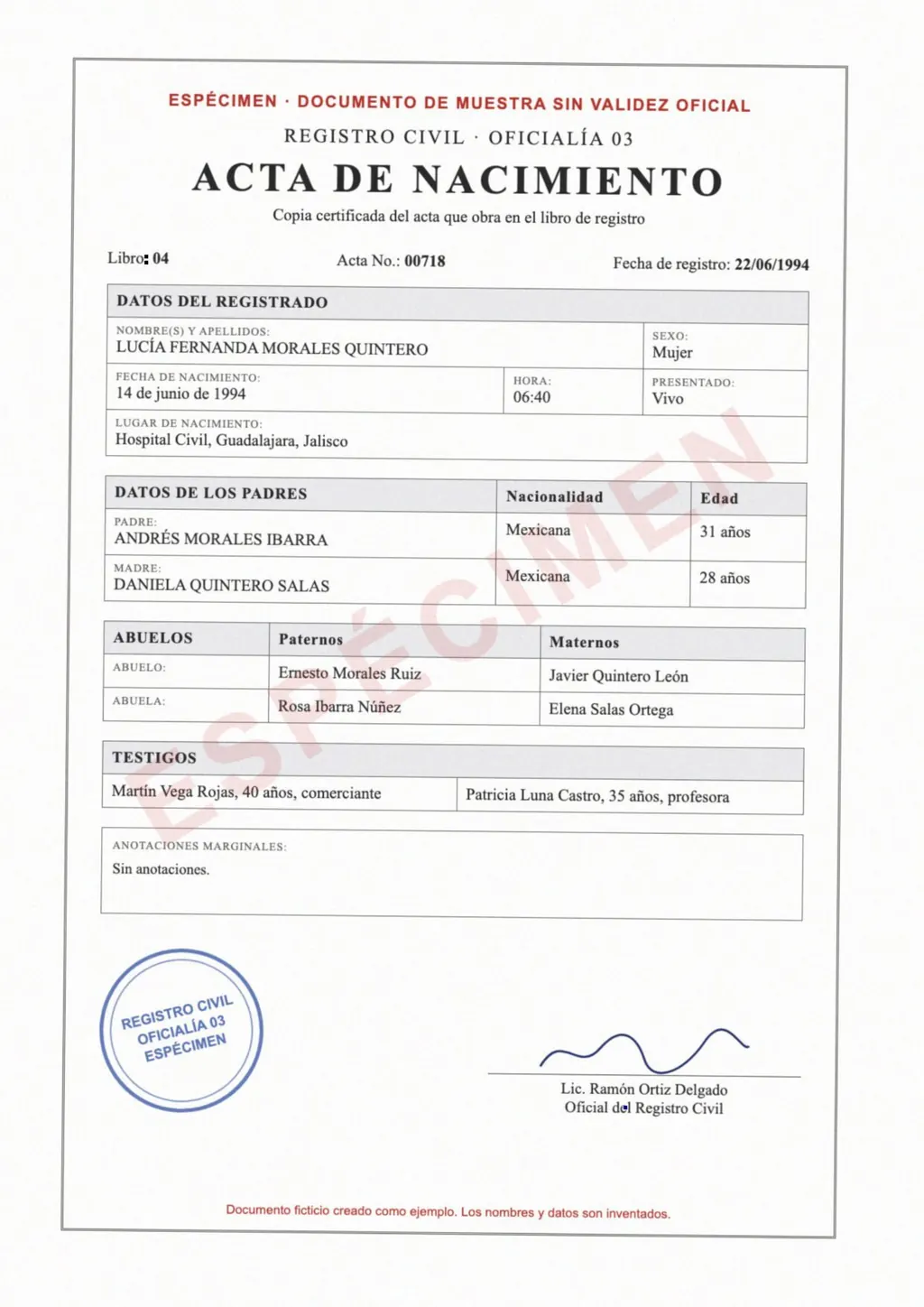
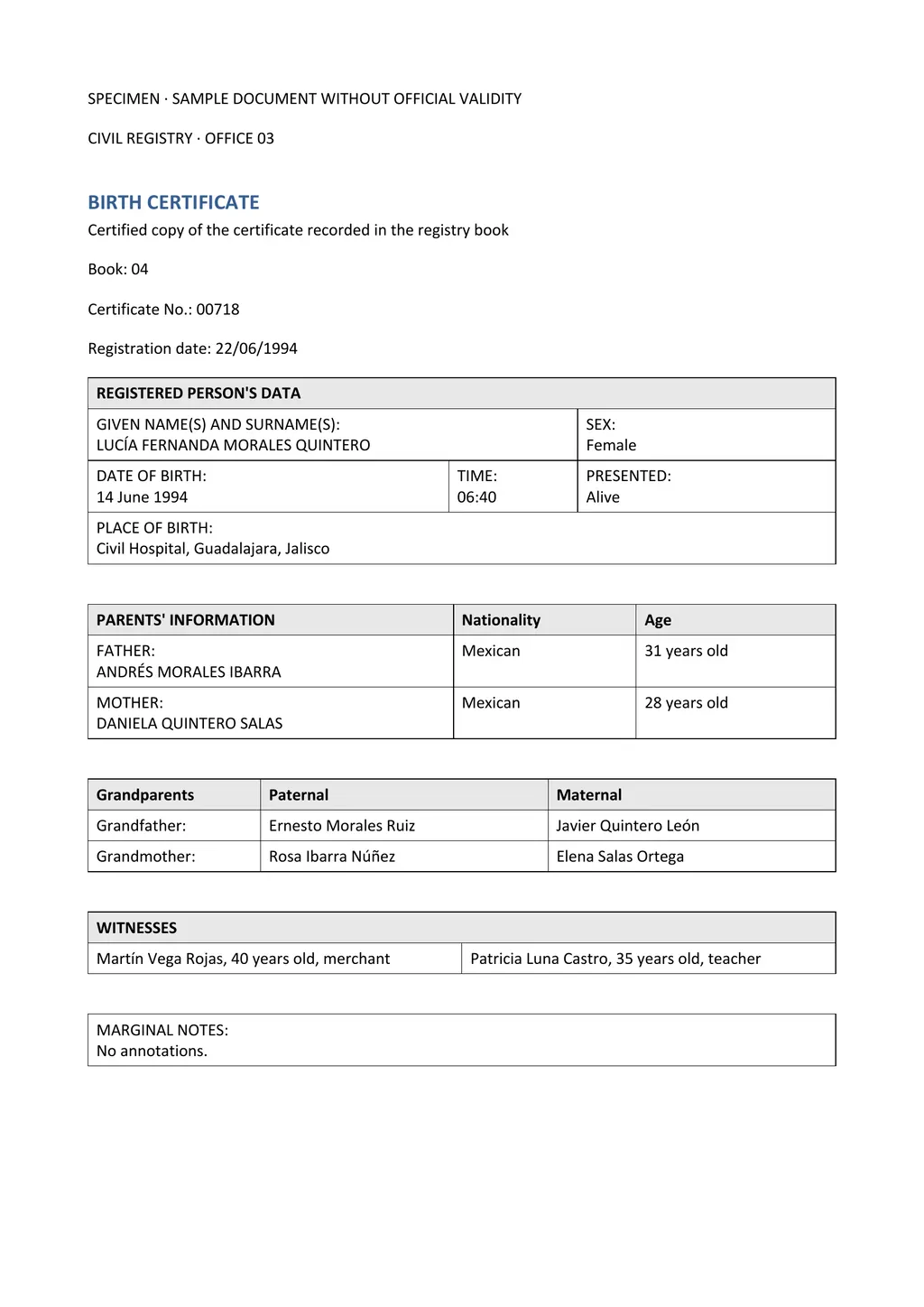
Certified, notarized and sworn
- Certified
- The translator signs a statement that the translation is complete and accurate and that they are competent to translate it. USCIS asks for this.
- Notarized
- The translator signs that statement in front of a notary public. The notary confirms the signer's identity, not the quality of the translation.
- Sworn
- A translator appointed by a government signs and stamps the translation, for example a traductor jurado in Spain. Only that country's sworn translators can do it.
How to get your LoreAI translation certified
- Translate the certificate with LoreAI and download the Word file.
- Choose who signs. A bilingual friend, colleague or professional translator who knows both languages well and is willing to stand behind the translation.
- They check the Word file against the original and correct it.
- They sign the certificate of translation with their name, address and the date.
- If your receiver asks for notarization, they sign the statement in front of a notary.
Professional translators can review a draft for a fee. Ask first whether they accept one, because some prefer to translate from the original.
What LoreAI does and does not do
LoreAI produces the translation as an editable Word file in the certificate's layout. It does not sign, certify, swear or notarize, and it does not offer a certification service. Never present a LoreAI translation as certified unless a person has checked it and signed the statement.
Questions people ask
Is a certified translation the same as a certified copy?
No. A certified copy is a copy of the certificate issued by the registry. A certified translation is a translation with the translator's signed statement.
Does USCIS require notarization?
The regulation asks for the translator's certification and does not mention notarization. Neither do the I-130 and I-485 form instructions.
Can a notary certify my translation?
No. According to the National Notary Association, no US state authorizes notaries to certify translations as a notarial act. A notary can notarize the translator's signature on the statement.