WES translation rules
- When you need one
- For US evaluations, documents issued in languages other than English[1]
- Who may translate
- A professional translator, such as one at a university, a certified translation agency or another professional service[1]
- Also accepted from
- Your academic institution, in WES's rules for Canadian evaluations[2]
- How exact
- Exact and word for word, with all text in the original language translated[1]
- Not accepted
- Handwritten, incomplete, original, or made by the applicant, and translations of photocopies[1]
- How to send
- Upload in your WES account as PDF or JPEG, up to 10 MB, not password protected[1]
Does WES need translations, and who may make them?
Only for documents not issued in English. WES requires translations of documents issued in languages other than English for US evaluations, and it does not accept an English-language version of a document in place of a translation[1]. It wants an independently translated version of the original document[1].
The translation must be completed by a professional translator. WES names someone affiliated with a university, a certified translation agency or any other professional translation service[1]. Its help article for Canadian evaluations also names your academic institution or a certified translation service[2]. For a US evaluation, go by the professional translator rule.
How to translate a transcript word for word
WES asks for exact, word-for-word translations[1], and its help article for Canadian evaluations adds that the translated words must be in the exact order they appear on the original[2]. Its evaluators need to read every translated course title and grade, and the details of the institution and the applicant[1].
All text in the original language has to be translated[1], so on a transcript:
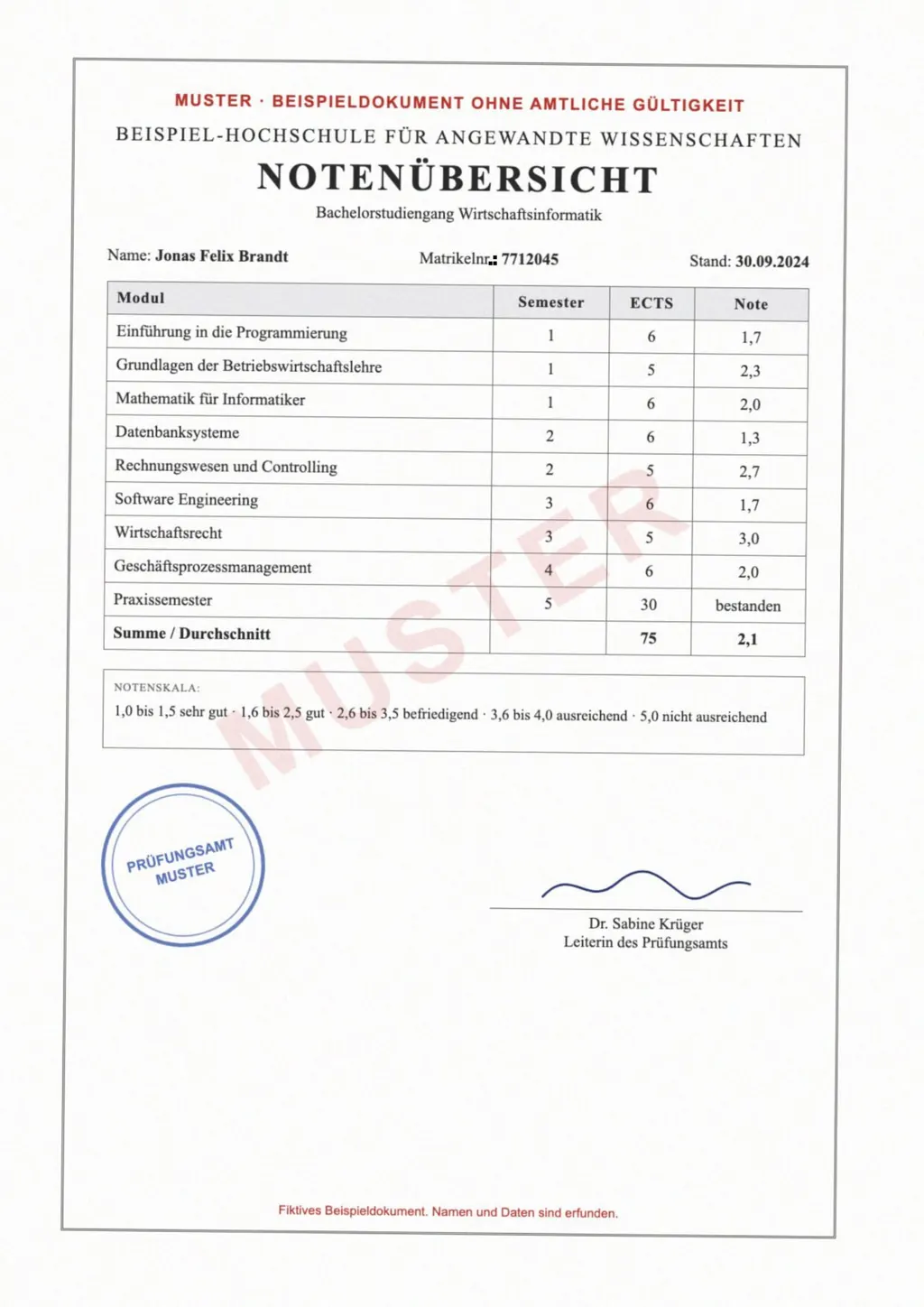
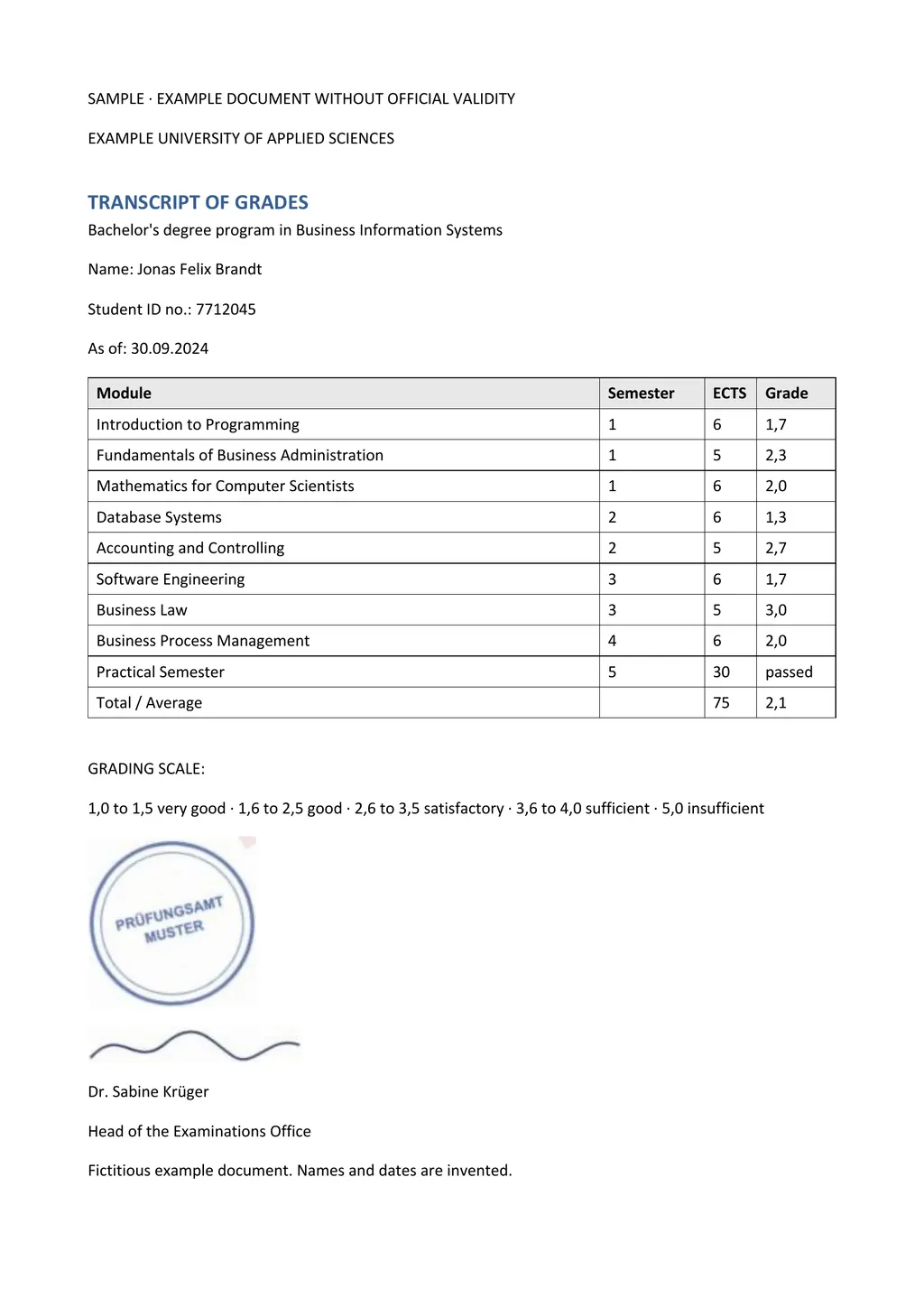
- Every course keeps its row, in the same order as on the original, with its hours or credits and its grade.
- Grades stay as written. A 1,3 stays 1,3 and is not converted to a US letter grade, because the conversion is the evaluation WES does.
- The grading scale, stamps, signatures and notes in the margin are translated too, or marked as a stamp or signature.
- The name of the institution and of the degree are translated, with the original name kept next to it where it helps.
LoreAI keeps transcript tables in their original order, with dates and grades as written. This gives the translator a draft for a word-for-word translation. See transcript translation for the steps.
Can I translate my own documents for WES?
No. WES lists translations completed by applicants among those it cannot accept[1]. The rule asks for a professional translator, so a translation by a friend or relative who does not work as a translator does not fit it either.
An editable draft can save the translator time. Send it with your documents and let the translator decide whether to use it. The translator has to work from the official documents, because WES does not accept translations of photocopies[1].
How to send translations to WES
- Check your country's required documents. The required documents list in your WES account tells you whether your documents need translations[1].
- Ask for two sets of official documents. WES suggests one set for WES and another for the translation service[1].
- Get the translation made. A professional translator translates each document word for word[1].
- Upload it to your WES account. Use PDF or JPEG files of up to 10 MB, without a password. Once you submit documents, you cannot delete them[1].
- Or send it yourself. Translations do not need a sealed envelope, and WES does not accept original translations[1].
What US universities and employers ask for
WES evaluates the credential. The university, employer or licensing board decides what to do with its report. If they request a WES evaluation, follow the WES translation rules on this page[1].
If a university also asks you for a translated transcript, ask whether a copy of the translation WES received is enough, or whether they want a certified translation of their own. The certified translation guide explains what a certification statement contains.
Where LoreAI fits
LoreAI is not a certified translation service and is not a professional translator in the sense WES uses. A LoreAI translation alone does not meet the WES rule[1].
It reads a scanned transcript or diploma with OCR and returns an editable English Word file with the tables, dates and grades in the original order. Your translator can check and correct that file instead of typing the transcript from scratch. Your first document is free, up to 3 pages. For degree certificates, see diploma translation.
Questions people ask
Does WES require certified translations?
WES asks for an exact, word-for-word translation completed by a professional translator, such as one at a university or a certified translation agency[1].
Can I translate my documents myself for WES?
No. WES does not accept translations completed by applicants[1].
What file format does WES accept for translations?
PDF or JPEG files, up to 10 MB each, without password protection[1].
Do I need to send translations to WES in a sealed envelope?
No. Translations do not need a sealed envelope, and you can upload them in your WES account[1].
Sources
- WES: Translation requirements for a WES credential evaluation, accessed November 2, 2026
- WES US Help Center: Do I need to translate my documents?, accessed November 2, 2026
By Matt Mountain ·