Which countries use sworn translators?
Each country defines the role in its own law. The Hague Conference's Apostille Handbook says some countries treat translations by official translators, including sworn, affirmed and accredited translators, as public documents. The country where the translation is made decides who qualifies as an official translator[1].
Spain and Germany use the following systems:
- Spain
- Sworn translator-interpreters (traductores-intérpretes jurados) are appointed by the Ministry of Foreign Affairs, which publishes the list[2]
- Spain, documents used there
- The Spanish consulate in London says a document to be used in Spain needs a sworn translator-interpreter registered in Spain[5]
- Germany
- An authority may ask for a translation by a publicly appointed or sworn translator where there is good reason, under § 23 VwVfG[6]
- Germany, finding one
- The state justice departments run a shared database of sworn, publicly appointed and authorized interpreters and translators[3]
Does the US have sworn translators?
No. ATA says that in the United States there is no federal or state licensing or certification for translators, and that you do not need to be certified or licensed to provide a certified translation for official use unless the receiver asks for an ATA-certified translator[4].
US offices ask for certified translations. For USCIS, that is a full English translation the translator certifies as complete and accurate, with a certification of their competence[7]. If someone in the US offers a sworn translation, ask what they mean, since no US licensing system stands behind the word[4]. Often the offer is a certified translation with a notarized signature, described on the notarized translation page.
Sworn vs certified vs notarized
- Sworn translation
- Made by a translator appointed or sworn in under the law of a country such as Spain or Germany[1]
- Certified translation
- Any translation with the translator's signed statement of completeness, accuracy and competence, as USCIS asks for[7]
- Notarized translation
- A certified translation whose signature a notary has confirmed. The notary does not check the translation[4]
Sworn, certified and notarized translations are not interchangeable. For a document used in Spain, the Spanish consulate in London points to a sworn translator-interpreter registered in Spain[5], and USCIS does not need a sworn translation at all[7]. Follow the receiving office's rule. See notarized translation and the certified translation guide for the US side.
Sworn translation into Spanish for Spain
If a document will be used in Spain, the Spanish consulate in London says to use a sworn translator-interpreter registered in Spain, and that such translations are valid without legalization by the consulate[5]. The ministry's list gives each translator's name, number and contact details, grouped by language and country[2].
The direction matters. A Spanish document going to USCIS needs a certified English translation, not a sworn one[7], and other US receivers set their own rules. A US document going to a Spanish office needs a sworn Spanish translation, and the office may also want an apostille on the original. See apostille translation for that order.
How to find a sworn translator in Spain or Germany
- Check what the receiving office asks for. Ask whether it needs a sworn translator from its own country, and whether the original needs an apostille first.
- Search the official list. For Spain, use the Ministry of Foreign Affairs list of sworn translator-interpreters[2]. For Germany, search the justice departments' database by name, place or language[3].
- Send the translator a clear copy. Scan every page, including stamps, the back and handwritten notes.
- Ask whether a draft helps. Some translators work faster from an editable draft. Offer the LoreAI Word file, and let the translator decide whether to use it.
Can a sworn translation get an apostille?
Yes, if the country where it was made treats it as a public document. The Apostille Handbook says some countries give translations by official translators, including sworn translators, that status. Otherwise, a translator's affidavit before a notary or an official authority's certificate can carry the apostille[1].
Where LoreAI fits
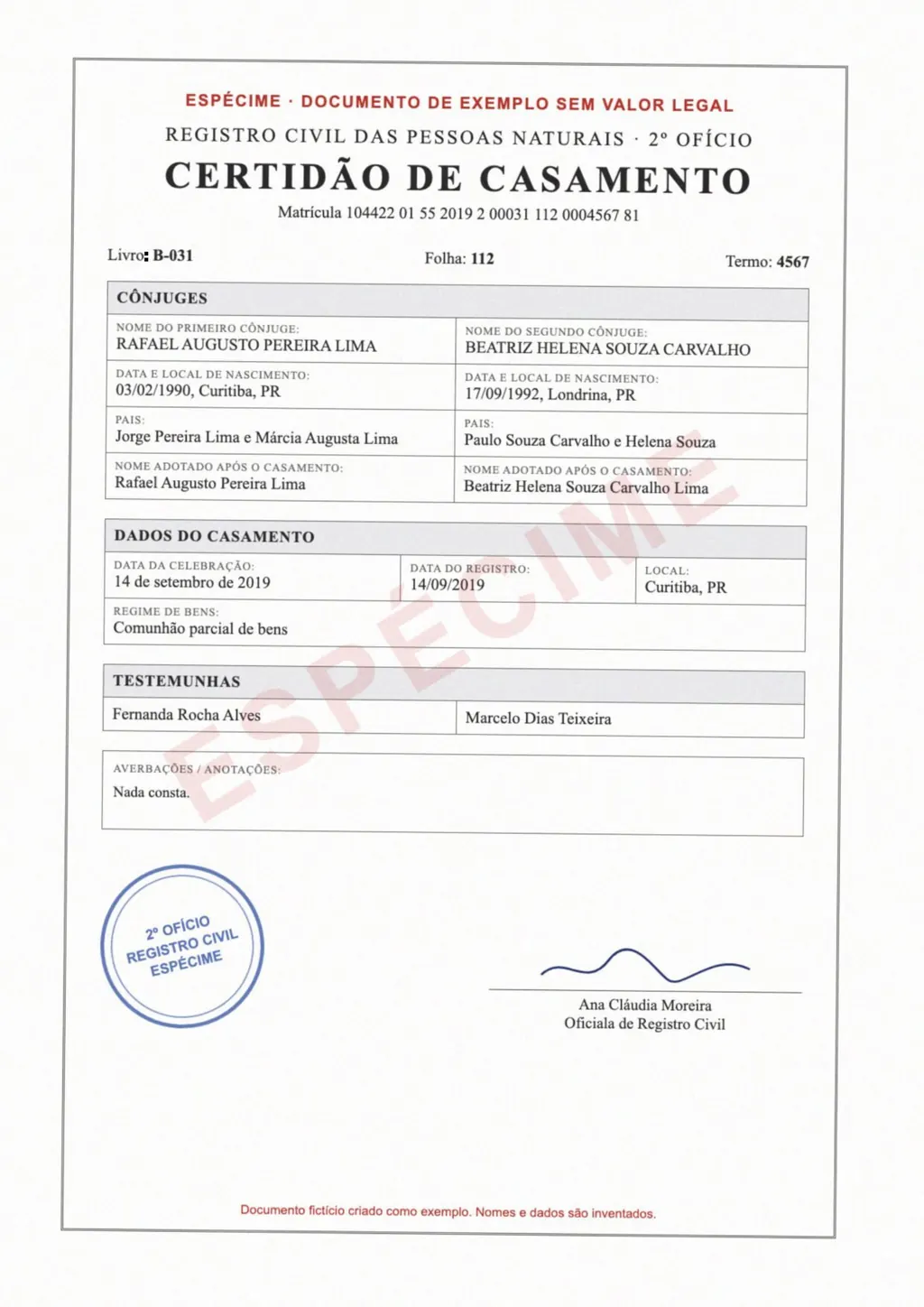
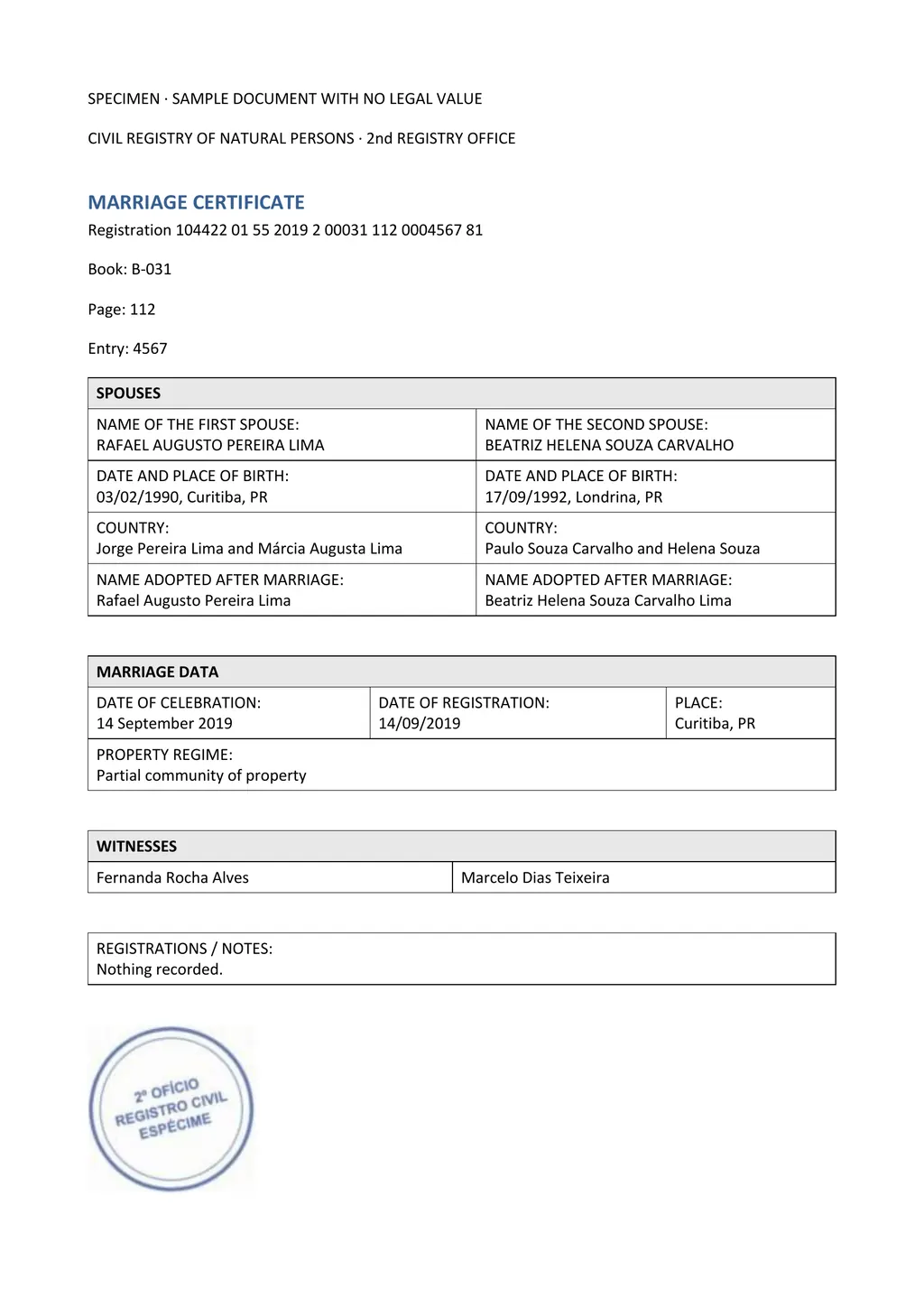
LoreAI is not a sworn translation service and has no sworn translators. It cannot produce a traducción jurada or a German beeidigte Übersetzung. It reads a scan or photo with OCR and returns an editable Word file in the original layout. Names, dates and numbers stay as written.
That file can help you read a document before you pay for its sworn translation, or give the sworn translator an editable starting point. Your first document is free, up to 3 pages. For birth certificates going to US offices, see certified birth certificate translation.
Questions people ask
What is a sworn translation?
A translation made by a translator a court or ministry has sworn in or appointed, under the law of the country where it is made[1].
Is a sworn translation the same as a certified translation?
Do I need a sworn translation for USCIS?
No. USCIS asks for a full English translation certified by the translator as complete and accurate, plus a certification of competence[7].
Where do I find a sworn translator in Germany?
In the database of the German state justice departments, searchable by name, place and language[3].
Sources
- HCCH Apostille Handbook, paragraphs 195 to 197, translations (PDF), accessed November 2, 2026
- Spanish Ministry of Foreign Affairs: List of sworn translator-interpreters appointed by the ministry, 2024 (PDF), accessed November 2, 2026
- Interpreter and translator database of the German state justice departments, accessed November 2, 2026
- American Translators Association: Certified translation vs. certified translator, accessed November 2, 2026
- Consulate General of Spain in London: Sworn translator-interpreters, accessed November 2, 2026
- Section 23 of the German Administrative Procedure Act (VwVfG), official language, accessed November 2, 2026
- 8 CFR 103.2(b)(3), Translations, Electronic Code of Federal Regulations, accessed November 2, 2026
By Matt Mountain ·